

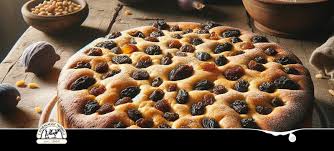
The Epiphany, a Christian holiday celebrated on January 6th, is a day rich in traditions and folklore in Italy, especially in the North, where it is distinguished by a unique culinary delight: the Pinza.
History and origins
The eve of the Epiphany in Veneto is characterized by the traditional “Panevin” night, an event where large fires are lit. On this occasion, pyres are built with brambles, branches, and corn stalks around a central pole, creating an impressive blaze.
The fire is lit at dusk by the youngest member of the family, using a partially burned piece of wood, saved from Christmas night.
The “Panevin” has a deep symbolic meaning, rooted in ancient solar and fiery traditions of pre-Christian cultures. This rite serves as an exorcism against the fear of losing the sun and its vital energy during the winter solstice, also symbolizing the fertility of the land.
The rite concludes with the consumption of the “pinza”, a typical dessert baked under the ashes according to a traditional recipe that involves using corn and wheat flour, kneaded with butter and baked wrapped in cabbage leaves. Eating the pinza together symbolizes sharing and solidarity, fundamental values of the rural community.
Traditions related to the Pinza
The pinza, enriched with fennel, raisins, pine nuts, and dried figs, is accompanied by mulled wine. In some places, the tradition of drinking seven different types of mulled wine, prepared by seven different people, is followed as a sign of good luck. A piece of pinza and a glass of wine are then left for the Befana, who is said to arrive at midnight to fill the stockings hung by children at the fireplace with gifts.
In some regions, it is customary for godparents to give the Pinza to their godchildren, symbolizing wishes for prosperity and health for the new year.
Curiosities
A curiosity related to the Pinza is its shape. It is often prepared in the shape of a star or heart, symbols of luck and love. In some variations, a coin is inserted in the center of the Pinza, a wish for prosperity for whoever finds it.
Regional variations
The Pinza has different regional variations, each with its own peculiarities:
- Piedmontese Pinza: In Piedmont, the Pinza is often enriched with dried fruits like hazelnuts and almonds, typical ingredients of the region.
- Lombard Pinza: In Lombardy, raisins and candied fruits are often added, making the dessert richer and more fragrant.
- Venetian Pinza: The Venetian version may include spices like cinnamon and anise, giving it a distinctive aroma.
- Trentino Pinza: In Trentino-Alto Adige, the Pinza is often enriched with dried apples or pine nuts, reflecting local flavors.
Preparation
The preparation of the Pinza varies slightly from region to region, but the basic ingredients include flour, sugar, eggs, butter or lard, and yeast. These are then supplemented with the specific ingredients of each regional variant.