Pumpkin flower and mozzarella pasta

Preparing a delicious pasta with pumpkin flowers and mozzarella is a culinary experience that combines simplicity and taste. This recipe, ready in less than half an hour, is ideal for those seeking a fresh and colorful dish. INGREDIENTS 360 g of fusilli 8 pumpkin flowers 3 Bocconcini 4 anchovy fillets in oil 1 clove of garlic 10 fresh basil leaves 40 g of blanched and toasted almonds 150 g of boiled peas Grated zest of ½ lemon Extra virgin olive oil, as needed Salt and pepper, to taste Make the pesto Start by preparing the pesto that will dress the pasta. Take the clove of garlic, cut it in half, and remove the core to make it more digestible. Place it in the mixer along with the fresh basil, boiled peas, well-drained anchovy fillets, toasted almonds, and grated lemon zest. Blend and gradually add extra virgin olive oil until you obtain a creamy and homogeneous sauce. Taste and adjust the salt if necessary. Cook the pasta Bring a pot of salted water to a boil and cook the fusilli according to the package instructions to achieve al dente pasta. Meanwhile, spend a few minutes preparing the other ingredients. Prepare the fresh ingredients Cut the mozzarella into cubes and let it drain well. This step is important to prevent the pasta from becoming watery. Then, carefully wash the pumpkin flowers, remove the inner parts, and cut them into strips. Combine everything Once the pasta is drained, reserve some of the cooking water. Transfer the fusilli to a large pan and add the prepared pesto. If necessary, add some of the reserved cooking water to make the sauce more fluid and help it adhere better to the pasta. Gently incorporate the sliced pumpkin flowers and mozzarella cubes into the pasta. The mozzarella will slightly melt with the heat of the pasta, creating a delightful creaminess. Plating After mixing all the ingredients well, finish the dish with a sprinkle of freshly ground pepper. This will add a touch of flavor and liveliness to your dish. The pasta with pumpkin flowers and mozzarella is best enjoyed hot, just prepared, when the flavors are vibrant and the mozzarella is still stringy.
Easter Chocolate Salami: Use Up Your Leftovers
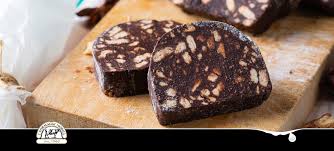
Did Easter bring some days with friends outdoors but also many sweet leftovers? We thought of you with this Easter chocolate salami recipe, where you can reuse the leftover egg pieces and Colomba cake. INGREDIENTS 250 g of Colomba cake 100 g of milk chocolate 40 g of sugar 150 g of butter 50 g of almonds 50 g of almond granules 1 tablespoon of unsweetened cocoa powder Powdered sugar (for decoration) PREPARATION Break 100g of milk chocolate into small pieces to facilitate melting. Place it in a microwave-safe bowl. You can melt it in the microwave at 650 watts for 3 minutes, checking occasionally to prevent burning. Alternatively, you can melt it in a double boiler, placing the bowl over a pot with lightly simmering water, ensuring the bottom of the bowl does not touch the water. Once melted, let it cool slightly. Take 250g of Easter Colomba cake and crumble it into a large bowl, including the crust, to achieve a uniform texture. This will allow the cake to better absorb the other ingredients and create a homogeneous base for the salami. Add the melted chocolate to the crumbled Colomba and mix well. Incorporate 40g of sugar and 150g of butter previously melted and cooled. This mixture will become the base of your salami. Combine 50g of almonds (whole or chopped, as preferred) and 50g of almond granules into the mixture, also adding a tablespoon of unsweetened cocoa powder. Knead everything with your hands until you obtain a homogeneous mixture. On the work surface, spread some parchment paper and place the mixture on it, then shape it into a log, trying to make it as uniform as possible. This will give your dessert the characteristic appearance of a salami. Wrap the salami in parchment paper and leave it in the refrigerator for about an hour, or until it has completely set. This step is crucial to ensure that the salami maintains its shape during slicing. Once set, remove the paper and dust the salami with powdered sugar, ensuring it is completely covered. The final effect will mimic the typical white coating of salamis. Slice the Colomba and chocolate salami into pieces about half a centimeter thick and arrange them on a serving plate. Now your Colomba salami is ready to be enjoyed!
The Pinza: A dessert for the Epiphany in Northern Italy
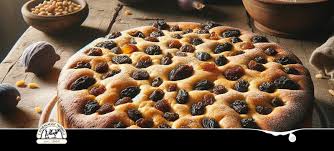
The Epiphany, a Christian holiday celebrated on January 6th, is a day rich in traditions and folklore in Italy, especially in the North, where it is distinguished by a unique culinary delight: the Pinza. History and origins The eve of the Epiphany in Veneto is characterized by the traditional “Panevin” night, an event where large fires are lit. On this occasion, pyres are built with brambles, branches, and corn stalks around a central pole, creating an impressive blaze. The fire is lit at dusk by the youngest member of the family, using a partially burned piece of wood, saved from Christmas night. The “Panevin” has a deep symbolic meaning, rooted in ancient solar and fiery traditions of pre-Christian cultures. This rite serves as an exorcism against the fear of losing the sun and its vital energy during the winter solstice, also symbolizing the fertility of the land. The rite concludes with the consumption of the “pinza”, a typical dessert baked under the ashes according to a traditional recipe that involves using corn and wheat flour, kneaded with butter and baked wrapped in cabbage leaves. Eating the pinza together symbolizes sharing and solidarity, fundamental values of the rural community. Traditions related to the Pinza The pinza, enriched with fennel, raisins, pine nuts, and dried figs, is accompanied by mulled wine. In some places, the tradition of drinking seven different types of mulled wine, prepared by seven different people, is followed as a sign of good luck. A piece of pinza and a glass of wine are then left for the Befana, who is said to arrive at midnight to fill the stockings hung by children at the fireplace with gifts. In some regions, it is customary for godparents to give the Pinza to their godchildren, symbolizing wishes for prosperity and health for the new year. Curiosities A curiosity related to the Pinza is its shape. It is often prepared in the shape of a star or heart, symbols of luck and love. In some variations, a coin is inserted in the center of the Pinza, a wish for prosperity for whoever finds it. Regional variations The Pinza has different regional variations, each with its own peculiarities: Piedmontese Pinza: In Piedmont, the Pinza is often enriched with dried fruits like hazelnuts and almonds, typical ingredients of the region. Lombard Pinza: In Lombardy, raisins and candied fruits are often added, making the dessert richer and more fragrant. Venetian Pinza: The Venetian version may include spices like cinnamon and anise, giving it a distinctive aroma. Trentino Pinza: In Trentino-Alto Adige, the Pinza is often enriched with dried apples or pine nuts, reflecting local flavors. Preparation The preparation of the Pinza varies slightly from region to region, but the basic ingredients include flour, sugar, eggs, butter or lard, and yeast. These are then supplemented with the specific ingredients of each regional variant.
Cream of broccoli and peas with lemon mozzarella

Tired of the usual winter soups? Try the cream of broccoli, peas, and lemon mozzarella. INGREDIENTS 1 tablespoon of olive oil 1 medium onion, chopped 2 cloves of garlic, minced 1 bunch of broccoli, cleaned and cut into florets 200g of peas 1 medium potato 1 liter of vegetable broth Salt and pepper to taste 1 Bocconcino Grated zest of 1 lemon Fresh parsley, for garnish PREPARATION In a large pot, heat the olive oil over medium heat. Add the onion and garlic and sauté until they become translucent. Add the broccoli, peas, and potatoes (peeled and cubed). Stir well and cook for about 5 minutes, until the vegetables begin to soften slightly. Pour in the vegetable broth and bring to a boil. Then reduce the heat and simmer until the vegetables are tender. Using an immersion blender, blend the vegetables and broth until smooth. If necessary, add more broth to achieve the desired consistency. Season with salt and pepper to taste. Meanwhile, in a separate bowl, mix the cubes of fresh mozzarella with the grated lemon zest. Pour the hot soup into bowls and add some cubes of lemon mozzarella to the center of each serving. Garnish with chopped fresh parsley and a pinch of grated lemon zest for a touch of freshness.
Pumpkin burger with radicchio and scamorza
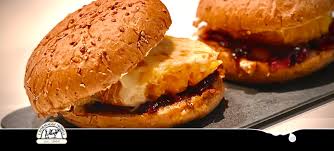
Who says a sandwich can’t be a healthy and satisfying meal? Perhaps they have never tried this spectacular pumpkin burger with scamorza and radicchio. INGREDIENTS 4 sandwiches (if you find bread with pumpkin seeds, that would be great) 1 kg of Butternut squash 300g of red radicchio 150g of scamorza 1 orange 1 tablespoon of acacia honey Sage and rosemary Oil, salt, and pepper, Mayonnaise to taste PREPARATION To start, slice the Butternut squash thinly and season it with oil, salt, pepper, sage, and rosemary. Bake it in the oven until soft and slightly golden. Meanwhile, slice the radicchio into thin strips and caramelize it in a pan with the juice of an orange and a tablespoon of acacia honey, until soft and slightly crispy. Once the squash and radicchio are ready, assemble your Burger. Spread some mayonnaise on the bread and heat it on the grill, then add a bed of caramelized radicchio, the grilled squash, and a generous slice of scamorza from Caseificio Nobili. Now it’s time to savor this Pumpkin burger with scamorza and radicchio, a true explosion of flavor that fully celebrates autumn and its rich spectrum of tastes.
Pasta with Ricotta Pesto
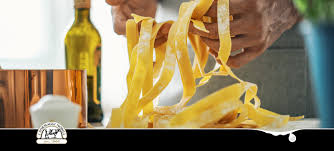
In the world of Italian cuisine, the combination of pasta and ricotta creates an extraordinary gastronomic experience. Today, we present a delicious recipe for “Pasta with Ricotta Pesto” that showcases the rich and creamy flavor of our fresh ricotta. INGREDIENTS 350g of pasta (choose your favorite) 200g of fresh Nobili ricotta 1 cup of fresh basil leaves 1/4 cup of pine nuts 2 cloves of garlic 1/2 cup of extra virgin olive oil 1/2 cup of grated Parmigiano Reggiano Salt and freshly ground black pepper to taste PREPARATION Start by preparing the ricotta pesto. In a blender, combine the fresh ricotta, fresh basil, pine nuts, garlic, grated Parmigiano Reggiano and a pinch of salt. Blend the ingredients until you achieve a creamy consistency. Gradually add the extra virgin olive oil while blending, until you obtain a smooth and homogeneous pesto. Taste and adjust the salt and pepper to your liking. In a large pot, bring plenty of salted water to a boil. Add the pasta and cook it according to the package instructions until al dente. Remember to stir occasionally to prevent the pasta from sticking. When the pasta is ready, drain it, reserving some of the cooking water (about 1/2 cup) aside. In a large bowl, combine the cooked pasta and the prepared ricotta pesto. Mix well, adding a bit of the pasta cooking water if necessary to achieve a creamy consistency. Ensure that the ricotta pesto is evenly distributed over the pasta. Serve the pasta with ricotta pesto on individual plates, garnishing with a sprinkle of grated Parmigiano Reggiano and a pinch of freshly ground black pepper.