

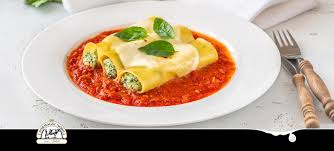
Cannelloni are an Italian dish loved worldwide, but how many truly know the history and fascinating curiosities surrounding them? Let’s discover together seven interesting facts about cannelloni that will make you appreciate this delicious dish even more.
1. Ancient origins:
Cannelloni have ancient origins and are deeply rooted in Italian culinary tradition. The term “cannellone” derives from the Italian word “canna,” meaning “tube” or “sugar cane.” Indeed, the cylindrical shape of cannelloni is similar to that of a cane.
The earliest historical traces of cannelloni date back to the time of the ancient Romans, who were known for preparing similar pasta dishes. However, the dish as we know it today, with tasty fillings and abundant sauces, has more recent roots.
Over the centuries, the cannelloni recipe has evolved in different Italian regions. In Sicily, for example, you can find versions of cannelloni filled with ricotta and spinach, while in Emilia-Romagna, cannelloni filled with meat and béchamel are popular. Today, there are many regional and personal variations of the cannelloni recipe.
2. Regional names:
Italy is famous for its diverse regional cuisine, and cannelloni are no exception. In different Italian regions, the dish is known by different names. For example, in Tuscany, they are called “crespelle,” a local variant of cannelloni. In Puglia, however, they are known as “cannelloni di magro.” These regional names reflect the richness of Italian culinary culture.
3. Festive dishes:
Cannelloni are often associated with special occasions and holidays. In many Italian families, it is a tradition to serve cannelloni during the Christmas period or on New Year’s Day. This dish thus becomes a festive element that brings families and friends together in moments of joy and celebration.
4. Vegetarian variants:
Although traditional cannelloni are usually filled with meat, there are vegetarian variants of the dish that delight vegan and vegetarian palates. These variants include fillings made from fresh spinach, mushrooms, grilled zucchini, and other vegetable delights. These options make cannelloni a flexible dish suitable for different dietary preferences.
5. Celebrities in the kitchen:
Cannelloni have also gained recognition in the world of art and cinema. A notable example is the Italian film “La Grande Abbuffata” directed by Marco Ferreri, in which cannelloni play a significant role in the plot. This demonstrates how this dish is an important element of Italian culture and how it can inspire the world of art.
6. Creative fillings:
The fillings of cannelloni can be incredibly creative. Many chefs and cooking enthusiasts experiment with unconventional fillings, adding a new dimension to this classic dish. You can find cannelloni with fillings made of smoked salmon, cooked ham, porcini mushrooms, or even seafood like shrimp or squid. This culinary creativity makes cannelloni a palette of flavors to explore.
7. The Art of preparation:
Preparing cannelloni is a culinary art that requires care and attention to detail. Filling the pasta tubes without damaging them is a challenge that requires practice and skill. An experienced cook knows how to masterfully handle the delicacy of cannelloni, creating dishes that are beautiful to see and delicious to taste. This process is a demonstration of the love and passion that go into every traditional cannelloni dish.